
How familiar are you with the everyday challenges that can accompany using basketballs, particularly the dreaded issue of a poor bounce? While basketball is a game of precision, strategy, and athleticism, the gear you use—most notably the basketball itself—can significantly influence your playing experience. A well-functioning basketball ensures a great game, whether on a professional court or in your driveway.
Understanding the Importance of Proper Basketball Maintenance
Basketballs are more than just inflatable spheres; they are essential to any game on the court. Proper maintenance is crucial to ensure a good playing experience and to extend the life of your basketball. This can involve regular cleaning, proper storage, and vigilant attention to its condition.
Why Does Bounce Matter?
Bounce is fundamental in basketball because it affects dribbling, passing, and shooting. A basketball that doesn’t bounce correctly can disrupt the rhythm of the game and lead to frustration. Reliable bounce ensures consistent performance, enabling players to exhibit skill and precision.
Common Issues With Basketball Bounce
If you’ve ever picked up a basketball and noticed it just didn’t have the same pop or responsiveness, you’re not alone. Common issues with basketball bounce can stem from various factors, including air pressure, surface conditions, and material degradation. Understanding these can help you pinpoint problems and improve performance.
Assessing Air Pressure: The Cornerstone of a Good Bounce
The air pressure within a basketball is vital for achieving optimal bounce. Too little air, and you’ll notice a flabby, lifeless ball; too much, and the ball feels overly rigid, reducing control.
Measuring Air Pressure
To ensure your basketball has the correct air pressure, you’ll need a pressure gauge. This tool provides a precise measurement, allowing for the adjustment necessary to achieve the standard pressure range, typically between 7.5 and 8.5 psi for most basketballs.
Adjusting Air Pressure
Once you’ve measured the air pressure, you can add or release air as needed. If the pressure is too low, use a pump to add air; if it’s too high, release some air by pressing on the valve. Remember to use a needle appropriately sized for your basketball to prevent valve damage.
Tools for Pressure Adjustment
Here’s a handy table outlining the tools you might need to maintain optimal air pressure:
| Tool | Purpose |
|---|---|
| Pressure Gauge | Measure the current air pressure accurately |
| Ball Pump | Inflate the ball to reach the desired pressure |
| Inflation Needle | Connects the pump to the basketball valve |
| Valve Oil | Lubricate the needle to prevent valve damage |
Surface Conditions: How They Affect Bounce
Even if your basketball’s air pressure is perfect, the playing surface can influence how well the ball bounces.
Indoor vs. Outdoor Surfaces
Recognizing the differences between indoor and outdoor surfaces is crucial for understanding bounce quality. Indoor courts typically provide a consistent, smooth surface, enhancing bounce. In contrast, outdoor surfaces might vary greatly, affecting how energy is transferred back into the ball.
Maintenance of Playing Surface
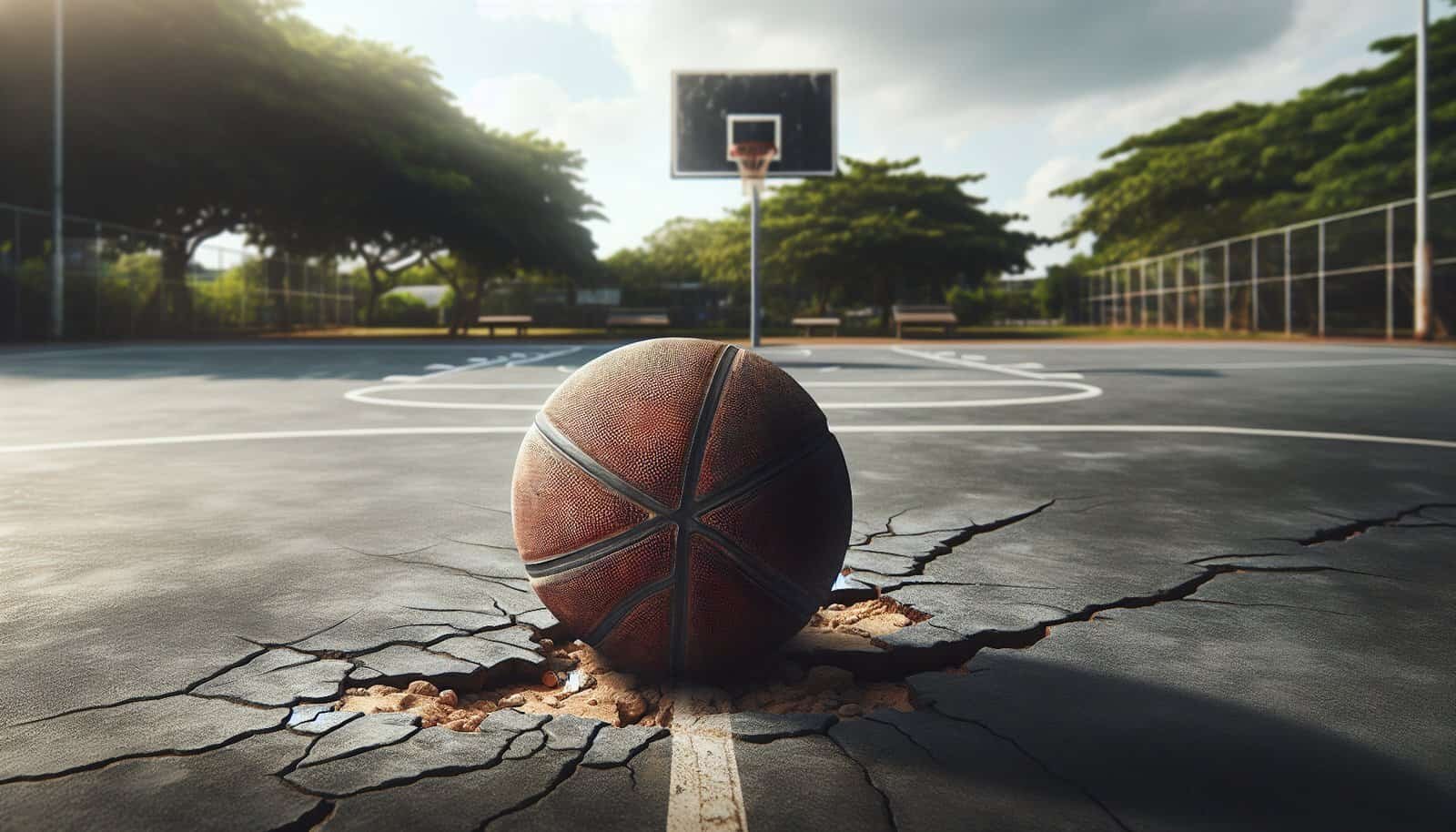
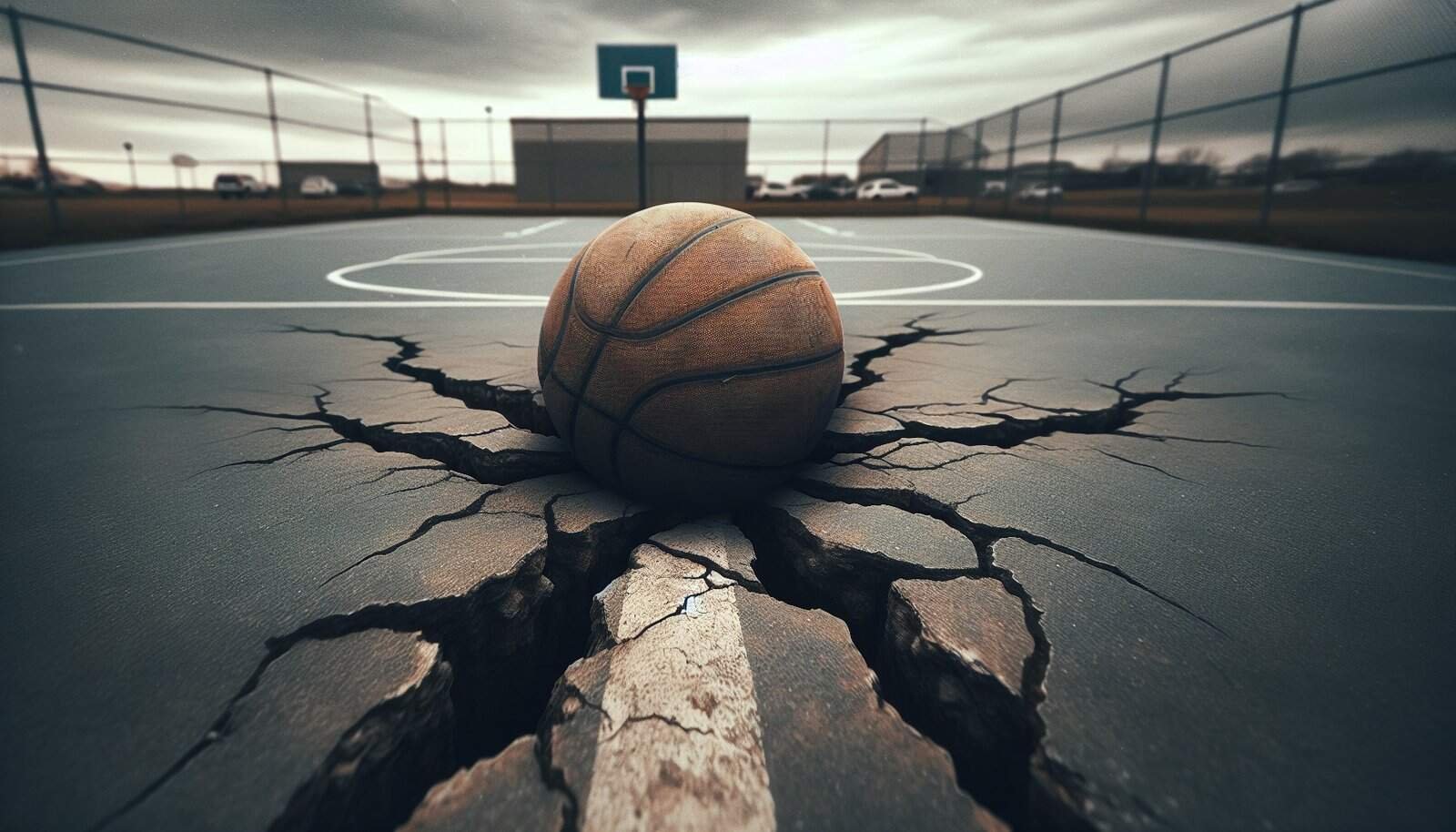
Regular cleaning and maintenance of the surface play significant roles in maintaining bounce quality. Dust and debris can dampen bounce on synthetic surfaces, while uneven terrain outdoors can divert energy away from the ball.
Quality and Type of Basketball Material
The material from which a basketball is made can significantly influence its bounce and performance.
Leather, Composite, and Rubber Basketballs
There are three main types of basketballs: leather, composite, and rubber. Leather basketballs offer a superior feel and are typically used in professional settings, while composite balls are designed for both indoor and outdoor use. Rubber basketballs are designed for maximum durability, mainly used outdoors.
Durability and Performance
Each material has its own strengths and weaknesses in terms of durability and performance:
- Leather: Best for indoor courts; can be susceptible to damage outdoors.
- Composite: Versatile with good performance both indoors and outdoors.
- Rubber: Highly durable and excellent for outdoor use, but less grip on indoor courts.
How Material Affects Bounce
The material can affect how energy is absorbed and released by the basketball. Rubber balls may feel bouncier outdoors, but on smooth indoor surfaces, they might seem too reactive. On the other hand, leather and composite balls usually provide a more consistent bounce across varied conditions.
Addressing Common Wear and Tear Issues
Time and use can take a toll on any basketball, affecting its performance. Understanding common signs of wear and how to remedy them is crucial for maintaining optimal bounce.
Identifying Signs of Wear
Keep an eye out for visible cracks, deflated panels, or well-worn textures on your basketball. These are indicators of wear that can compromise the ball’s integrity and bounce.
Repair or Replace?
When assessing damage, consider whether a minor repair can fix the issue or if it’s time for a replacement. Patch kits can mend small punctures, but significant damage likely requires a new ball.
Seasonal Considerations: How Weather Impacts Performance
Seasonal changes and weather conditions can affect how a basketball performs, especially if you play mostly outdoors.
Cold Weather
In colder temperatures, air contracts, often reducing air pressure inside the ball, leading to a flat feel and poor bounce. Checking and adjusting air pressure during colder months can alleviate this issue.
Hot Weather
Conversely, hot weather may cause air inside the ball to expand, increasing pressure and making the ball too bouncy. Regular checks can prevent over-inflation issues in hotter conditions.
Humidity and Moisture
Humidity and moisture can penetrate the ball, affecting its weight and texture. Keeping your basketball dry and indoors when not in use will help maintain its ideal bounce and feel.
Storing Your Basketball Properly
Storage is an essential but often overlooked aspect of basketball maintenance. Proper storage ensures your ball retains its condition for longer.
Indoor vs. Outdoor Storage
Ideally, a basketball should be stored indoors in a cool, dry place. Keeping it outdoors exposes it to elements that can degrade the material, such as UV light and moisture.
Deflating for Long-Term Storage
If you’re not planning to use your basketball for a while, consider deflating it slightly to relieve any pressure that could deform the ball over time.
Ensuring Longevity Through Regular Maintenance
Routine maintenance not only ensures you have a ball in good condition but also extends its life.
Establishing a Maintenance Routine
Create a simple routine that includes checking air pressure, examining for wear and tear, and cleaning the ball. Consistency with these practices leads to better game performance and a longer-lasting basketball.
Professional Help
In some cases, seeking professional help for maintenance is a practical choice. If you’re unable to resolve air pressure issues or significant damage occurs, professional repair or advice might be needed.
Playing Environment: Influence on Basketball Performance
Beyond maintenance and weather, the playing environment will influence your basketball experience.
Indoor Courts
Indoors, courts typically offer a great balance for a basketball’s bouncing dynamics. Controlled environments minimize unexpected variables and make maintenance easier.
Outdoor Surfaces
Playing outdoors requires regularly monitoring your basketball since surfaces can vary drastically, affecting the bounce. Choosing the right basketball geared for outdoor play can also aid in performance consistency.
Considerations for Mixed-Use Basketballs
If you often switch between indoor and outdoor courts, a composite basketball can match the demands of both environments, maintaining a reasonable bounce regardless of surface.
Using Technology for Basketball Maintenance
Innovation has expanded the realm of basketball maintenance, offering new tools and technology to keep your ball in peak condition.
Smart Basketballs
Smart basketballs, integrated with technology, can analyze your game and help regulate factors like air pressure to ensure a consistent bounce.
Apps for Maintenance
Some apps track your workouts and can provide reminders for ball maintenance, offering a convenient solution for tracking performance and upkeep.
Conclusion
Ensuring your basketball holds up game after game involves understanding and addressing its myriad common issues. Troubleshooting with a proactive attitude means you’re never caught off guard, ensuring you maximize playing time rather than wrestling with equipment issues. By following these guidance steps—maintaining air pressure, storing correctly, selecting the right material for your needs, and paying heed to environmental factors—you’ll foster a better, more reliable handling experience each time you hit the court. Your investment in care pays off on every bounce, pass, and shot, making each game just that bit more enjoyable.