
How Do High-altitude Conditions Affect The Performance Of A Basketball?
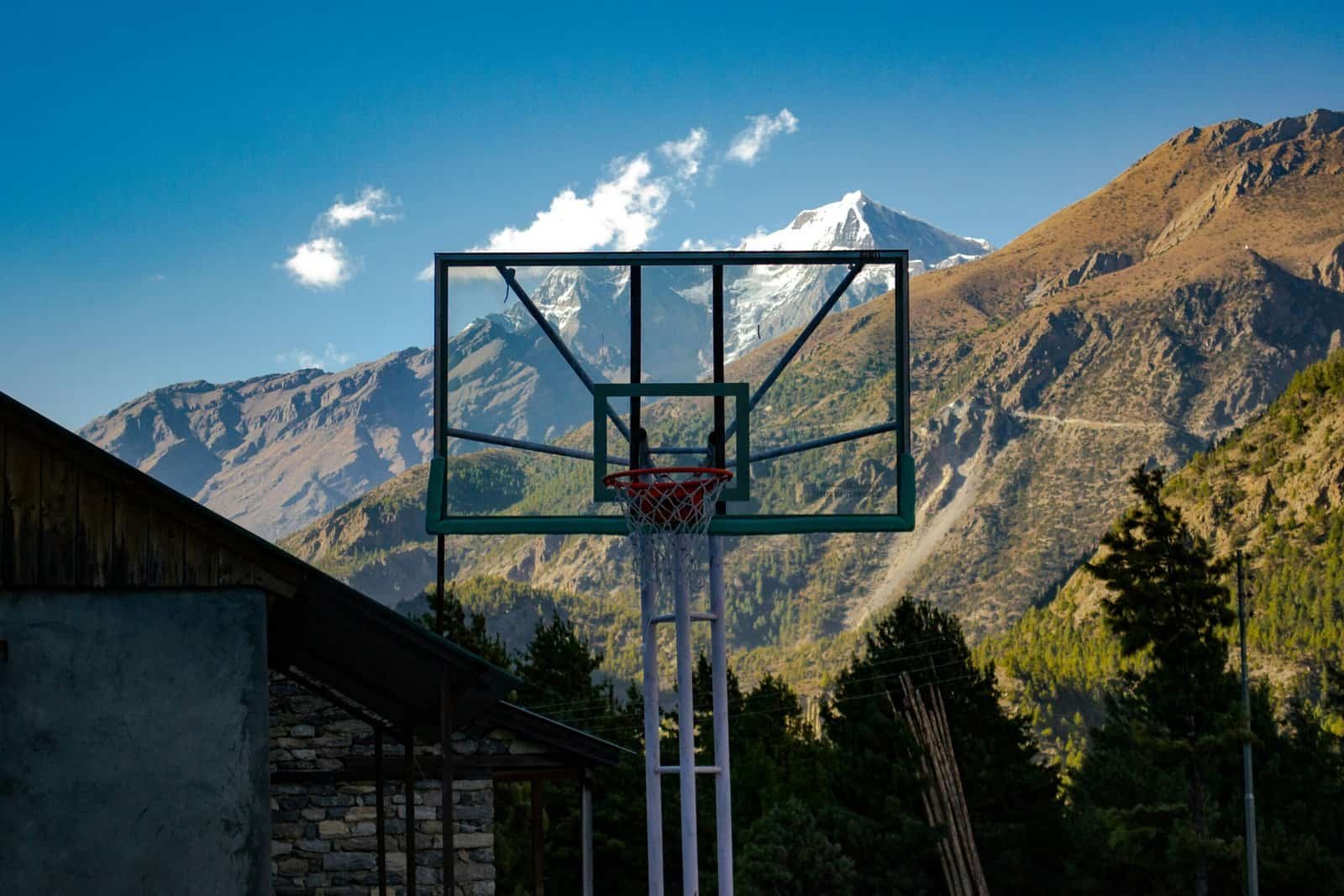
Have you ever wondered why some basketball games seem different when played at high altitudes? Perhaps you’ve noticed a game happening in a mountainous region and thought about how those towering elevations might change the dynamics of the sport. Elevation isn’t just a stunning backdrop for a game; it plays a crucial role in how the ball behaves on the court. Let’s explore how the thinner air and reduced atmospheric pressure high above sea level can impact basketball performance, both for the players and the ball itself.
Exploring High-altitude Environments
High-altitude refers to regions that are generally above 2,400 meters (about 8,000 feet) above sea level. In these areas, the atmosphere is quite different from lower altitudes. There’s less oxygen, air pressure decreases, and this can significantly alter many physical activities, including basketball. These changes can be more pronounced in places like the Rocky Mountains or the Andes, where many high-altitude cities are located.
Atmospheric Pressure and Its Implications
Atmospheric pressure is an essential factor when considering high-altitude effects. At higher altitudes, the atmospheric pressure is lower. This reduced pressure can impact the performance of a basketball by affecting its bounce, travel through the air, and even how it’s maintained over time. With less air resistance, you might notice that a ball thrown through thin air travels differently than it would at sea level.
Furthermore, the decrease in pressure can influence the internal pressure of the ball itself, especially if it was filled and adjusted at sea level. This could mean the ball may need to be regularly checked and adjusted when playing in high-altitude areas to compensate for the difference.
Understanding Air Density and Its Impact
Air density also lowers with an increase in altitude. At high altitudes, the air has fewer molecules, meaning it is less dense. For basketball, this means less drag on the ball while it is in motion. A less dense atmosphere can result in a ball traveling further with less effort, affecting shots, passes, and overall play dynamics.
For players accustomed to sea-level play, the difference may feel subtle but can significantly impact long throws or jump shots. The changes mean players have to adjust their techniques accordingly, learning how much force to apply to ensure accuracy.
The Basketball and Its Behavior at Altitude
Bounce Dynamics
The bounce of a basketball is also influenced by altitude. The ball’s behavior can change due to the ambient air pressure surrounding it and its internal pressure. At higher altitudes, where the air pressure is lower, the ball might feel different in hand due to slight deformation caused by the pressure difference between the inside and outside.
In practical terms, this may mean a different bounce height or response when dribbled, which can affect play style. It’s essential for players to test the ball prior to play to get a feel for its behavior on the court.
The Influence on Shots
Shooting a basketball in high-altitude conditions requires skillful adjustment. Due to the reduced air density, the ball faces less resistance, allowing it to travel more smoothly and further than it would at lower altitudes. Free throws and three-point shots can feel a bit easier, as there is less force opposing the ball.
Players often find that they need to modify their shooting mechanics slightly to maintain accuracy. While some might enjoy the enhanced potential for longer shots, this feature can also disrupt a player’s muscle memory if they are not used to playing in these conditions.
Adapting Basketball Strategies for High-altitude Play
Training Considerations
Athletes training for high-altitude play face unique challenges. The thinner air demands that players acclimate physically and mentally. Conditioning becomes critical, as oxygen availability is reduced, leading to quicker fatigue. Coaches might adjust training regimens to build cardiovascular endurance, mimicking these conditions at sea level if possible, or involving increased intensity workouts to better prepare athletes for the demands of high-altitude play.
Adjusting Game Plans
From a strategic standpoint, teams may adopt certain tactical changes when playing at high altitude. Coaches might consider focusing on shorter passes or opt for plays that minimize long tosses across the court. Understanding how the ball moves differently, and incorporating this into tactical planning, could offer an advantage.
Learning From Historical Examples
There are documented instances where teams playing at high altitudes have faced unexpected challenges. Reviewing historical games and outcomes can provide insightful lessons. Teams that regularly play in such conditions often develop a home advantage, using their familiarity with the nuances of high-altitude dynamics to outperform sea-level visiting teams.
Physiological Impact on Players
Oxygen Consumption and Performance
The body requires oxygen to perform at optimal levels. At high altitude, the reduced oxygen availability means that athletes may tire more quickly, impacting their performance and endurance. Players often need time to acclimate, and even then, they might need to modify their exertion levels to conserve energy.
Hydration and Nutrition
In high-altitude environments, maintaining hydration is vital. The dry air can lead to quicker dehydration, adding another layer to the challenges faced by athletes. Additionally, nutrition strategies might need to change, focusing more on carbohydrates to fuel the body effectively in oxygen-depleted conditions.
The Role of Equipment Maintenance
Monitoring Ball Pressure
Regular maintenance checks and adjusting the internal pressure of the basketball become crucial. As temperature can vary widely at high altitudes, equipment managers might need to frequently check and adjust the ball to ensure it remains at optimal conditions for play.
| Condition | Sea-level Requirements | High-altitude Requirements |
|---|---|---|
| Internal Pressure | Standard PSI levels | Frequent Adjustments |
| Ball Handling | Normal Cleaning | Increased Monitoring |
Court Conditions and Maintenance
The court itself might also present challenges. High altitude may influence how certain materials used in the court surface respond. Over time, surfaces may dry out or require more frequent maintenance to keep them in good condition for play. Attention to these details ensures that athletes can compete safely and effectively.
Embracing the Challenges
Playing basketball at high altitudes offers its unique set of hurdles and opportunities. Athletes who embrace these challenges and prepare accordingly often find that they can perform effectively. It may demand adjustments in terms of physical condition, gameplay strategy, and even mindset. But for those who adapt well, the competitive edge can be significant.
The next time you catch a game played high up in the mountains, you’ll have a glimpse into why it feels different. Understanding these elements enriches appreciation for the sport, highlighting how mastery comes not just from the players and their skills, but also from navigating the natural world’s influences with finesse.
In this way, high-altitude basketball exemplifies the beautiful interplay between human capability and environmental factors, reminding us of the ever-evolving dance between athletics and nature.

Conclusion
High-altitude environments pose exciting challenges that influence the game of basketball in profound ways. From modifying the bounce and travel of the ball to the physical readiness of the players, every aspect of the game is touched by the altitude. For teams and players ready to adjust and learn, these challenges offer new opportunities for growth and strategy. Next time you see a game with a mountain backdrop, consider the intricacies at play – and maybe consider how you’d adjust your play in such a setting!