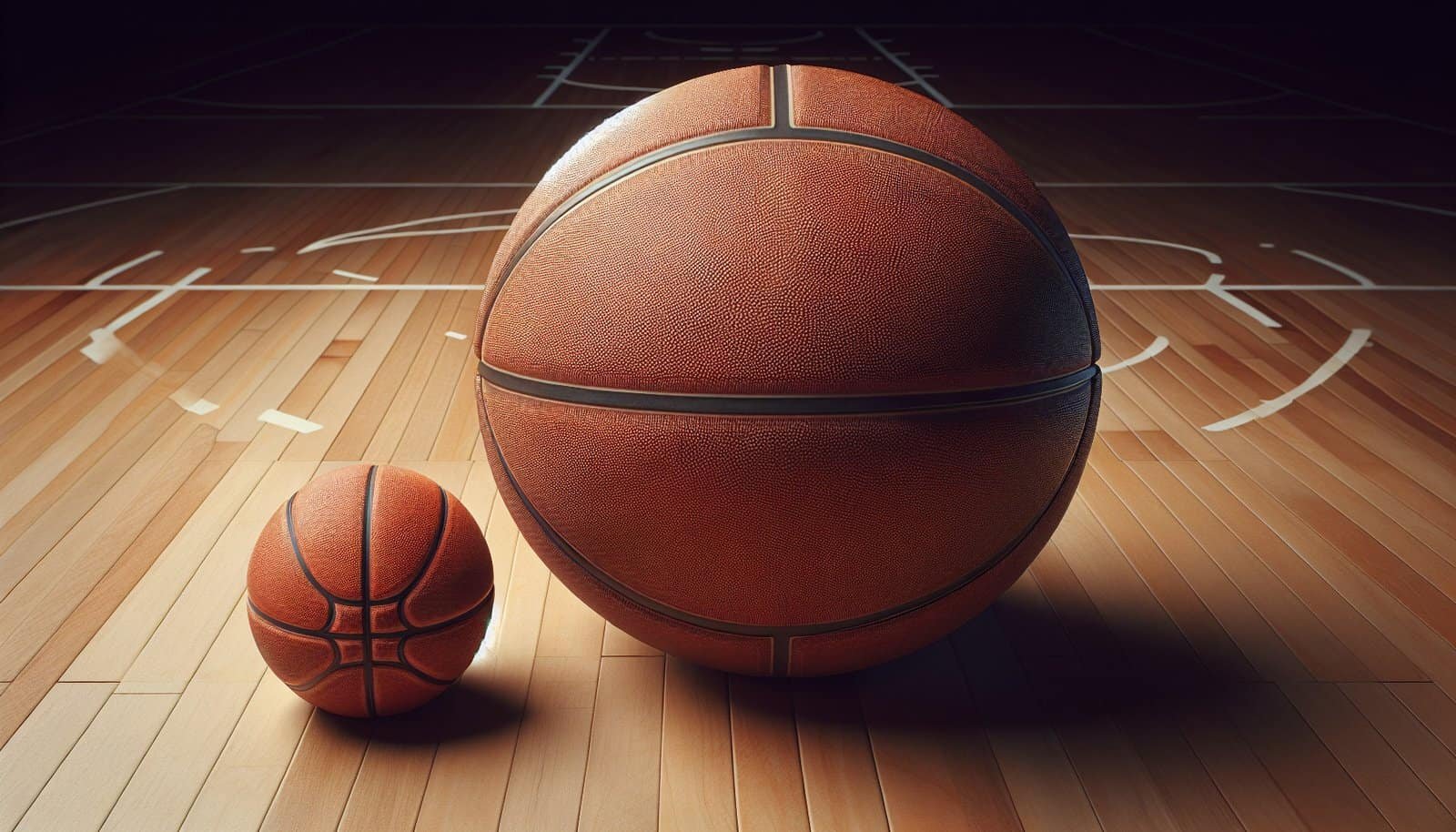
Have you ever wondered about the differences between official size and practice size basketballs? Whether you’re a seasoned player, a coach, or someone who’s just starting to develop a passion for the game, understanding these differences can greatly enhance your experience on the court. Let’s journey into the world of basketballs and unveil what sets them apart.
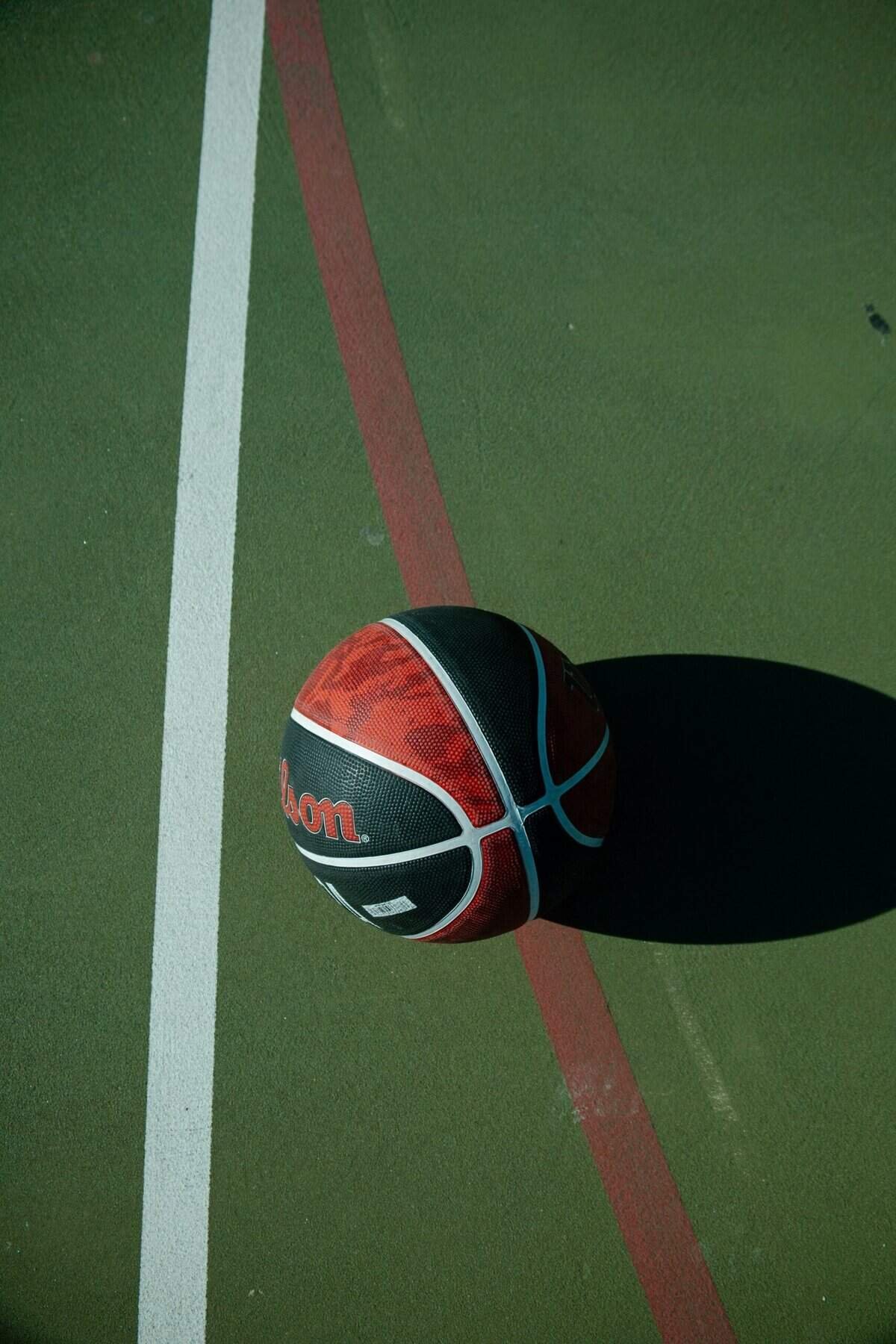
Understanding Official Size Basketballs
Official size basketballs are the standard size used in professional games, from high school competitions to international tournaments. These are the basketballs that make their appearance in prestigious leagues, and they come with specific requirements.
Dimensions and Weight
In the realm of official basketballs, size and weight are paramount. For men’s basketball, an official size 7 ball is used. This basketball measures about 29.5 inches in circumference and weighs approximately 22 ounces. Meanwhile, in women’s basketball, a size 6 ball is utilized, which is slightly smaller, with a circumference of 28.5 inches and a weight of around 20 ounces.
The strict adherence to these specifications ensures uniformity in gameplay across different competitions. The consistency in size and weight allows players to fine-tune their skills and techniques, relying on the standardized feel and grip during practice and actual games alike.
Material Composition
Typically, official basketballs are crafted from composite leather or genuine leather. These materials provide superior grip, durability, and control, essential for fast-paced professional games. While genuine leather offers exceptional longevity and is preferred in high-level play, composite leather is often used due to its balance of durability and affordability.
Usage in Gameplay
The use of an official basketball is crucial in maintaining the integrity of a competitive game. Players train with balls of this size and weight to build muscle memory and develop their control and handling. It ensures that when they step onto the court, they are fully prepared to face competition using a ball that feels familiar in their hands.
Exploring Practice Size Basketballs
Practice size basketballs, on the other hand, serve a different purpose. These basketballs are tailored to specific training needs and are invaluable in skill enhancement, especially for younger players or those new to the sport.
Variations in Size and Weight
Practice basketballs come in various sizes to accommodate different age groups and skill levels. Smaller basketballs, like sizes 5 and 4, are often used by younger children. A size 5 ball typically measures about 27.5 inches in circumference and weighs around 18 ounces. Even smaller, a size 4 ball has a circumference of about 25.5 inches and weighs roughly 14 ounces.
These variations allow players to develop their fundamental skills without being encumbered by the full size and weight of an official basketball. Young players can focus on honing their dribbling, shooting, and passing skills with a basketball that’s proportionate to their size and strength.
Material Considerations
As practice basketballs are subjected to rigorous and repetitive use, they are often constructed using durable materials that can withstand extensive handling. Rubber is a common choice for practice balls, providing durability and resilience on various playing surfaces like concrete or hardwood.
Specialized Training Uses
Practice basketballs are not only designed for younger players. Many seasoned athletes use different sizes and weights for specific training drills. For instance, using a heavier ball can enhance strength and improve muscle memory, making the official game ball feel lighter and easier to handle. Conversely, lighter basketballs can help players increase their shooting speed and accuracy.
Comparing Official and Practice Basketballs
Understanding the commonalities and distinctions between official and practice basketballs can help you make an informed choice for your specific needs. Let’s delve deeper into various aspects that differentiate these basketballs.
Size and Weight Differences
| Type | Size (Men’s/Women’s) | Circumference | Weight |
|---|---|---|---|
| Official Basketball | 7 (Men’s)/ 6 (Women’s) | 29.5/28.5 in | 22/20 oz |
| Practice Basketballs | 5/4 (Younger players) | 27.5/25.5 in | 18/14 oz |
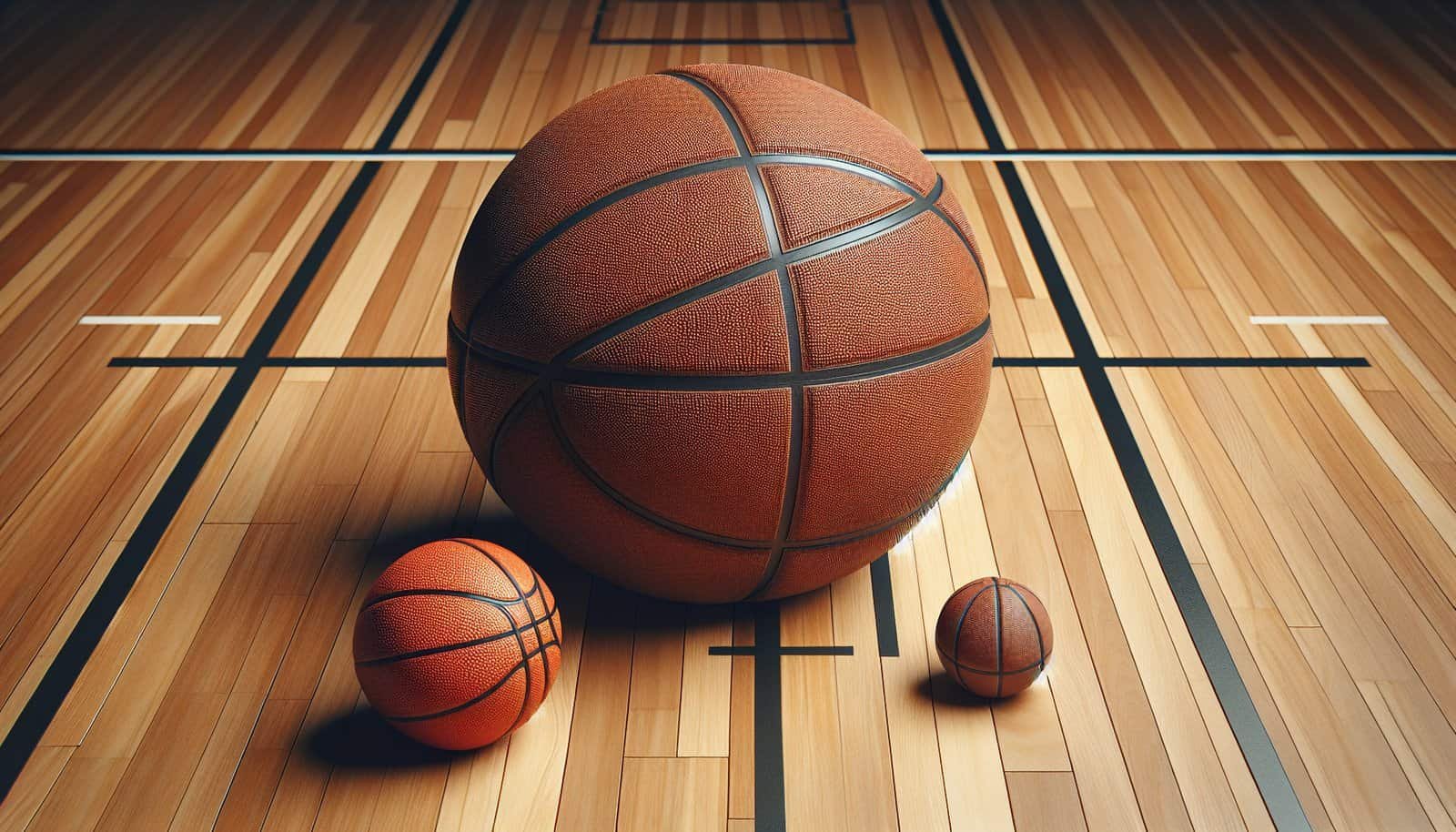
The table above illustrates the standard dimensions typically associated with both official and practice basketballs. When selecting a basketball, it’s crucial to consider who will be using it and for what purpose.
Different Materials in Use
Official basketballs primarily employ high-quality composite or genuine leather to meet the rigorous demands of professional play. In contrast, practice basketballs often utilize rubber or durable synthetic materials to withstand the wear and tear of frequent training sessions across different environments.
Gameplay Versus Training
While official basketballs are synonymous with competitive gameplay, practice basketballs serve as versatile tools for improving specific skills. The variations in size and weight allow coaches and trainers to create targeted drills and exercises that are more effective and engaging for players at all levels.
Why These Differences Matter
Understanding these differences is pivotal in selecting the right basketball that aligns with your goals, whether they’re centered around competitive play or skill development. Opting for the appropriate basketball ensures that players can maximize their training efficiency while also complying with official game standards when necessary.
Skill Development
For younger or less experienced players, using a practice basketball that matches their physical capabilities accelerates learning. The smaller and lighter size encourages correct throwing techniques and facilitates smoother transition to official size basketballs as their skills and strength develop.
Competitive Edge
Training consistently with an official ball guarantees that players are equipped and ready to face competitive challenges. Familiarity with the official size and feel of the ball enables athletes to engage in matches with confidence and precision.
Longevity and Durability
Lastly, the suitable choice of basketball also impacts its longevity and performance. Investing in a durable basketball that is appropriate for the intended use can save you from frequent replacements while maintaining optimal performance.
Conclusion: Making the Right Choice
As you navigate the world of basketball, knowing the distinctions between official size and practice size basketballs can be your strategic edge. Each type has its own set of benefits tailored to different stages of learning and styles of play. Whether you’re honing your skills for recreational enjoyment or gearing up for competitive scenarios, selecting the right basketball can make all the difference in enhancing your playing experience and effectiveness on the court.