
Have you ever wondered what it takes to get a brand new basketball game-ready? Breaking in a new basketball isn’t just a matter of aesthetics; it’s about enhancing performance and ensuring you have the best possible playing experience. Whether you’re a seasoned pro or just someone who loves to shoot hoops on weekends, there’s much more to a basketball than meets the eye.
There’s nothing quite like the feel of a well-broken-in basketball gliding through your hands as you prepare for a shot. But before you reach that satisfying sensation, a little effort is required to ensure your new basketball performs at its peak. While professional players might have access to pre-conditioned equipment, most of us need to invest a bit of time and knowledge to get there.
In this guide, let’s journey through the best ways to break in a new basketball. We’ll cover essential techniques, tips, and tricks to help you avoid slippage during critical moments or awkward bounces that throw off your game. With a friendly approach, we’ll ensure you have everything you need to transform that fresh, somewhat stiff basketball into a reliable partner on the court.
Understanding Why Breaking In Is Important
The Role of Texture in Handling
When you first receive a new basketball, the texture can feel unusually slick. This slickness can significantly impact your grip, particularly if your hands are moist or sweaty. As you break in the basketball, you’ll notice the texture becomes slightly rougher, aiding better ball-handling and control.
Impact on Bounce and Flight
The bounce of a basketball is crucial. A brand-new ball can have an irregular bounce due to its stiffness. Properly breaking in the ball ensures a more predictable bounce, improving dribbling precision and accuracy in passing and shooting.
Longevity and Durability
By taking the time to break in your basketball correctly, you’re not just improving its performance; you’re also extending its lifespan. A well-conditioned basketball can better withstand the rigors of play, maintaining its shape and integrity over time.
Steps to Break In a New Basketball
Step 1: Inflation Check
One essential first step in breaking in a new basketball involves checking the inflation level. Proper inflation ensures the ball maintains its shape and provides a consistent bounce.
- Using a Pump and Gauge: Start by using a pump equipped with a pressure gauge. Most basketballs require an inflation level between 7.5 to 8.5 PSI (pounds per square inch). Check the basketball’s label for specific recommendations, as different brands might vary slightly.
- Avoid Over-Inflation: Over-inflating can lead to uncomfortable stiffness and might even damage the ball. Ensure you reach the recommended PSI and no higher to keep the ball soft enough for proper break-in.
Step 2: The Initial Wipe Down
It’s a good idea to start with a clean slate, so give your basketball a slight cleaning.
- Mild Soap and Water: With a soft cloth, apply mild soap and a small amount of water to clean the ball’s surface. Avoid using harsh chemicals, which can damage the material.
- Dry Thoroughly: After the light cleanse, ensure you dry the basketball thoroughly. Excess moisture can affect the material, especially for leather basketballs.
Step 3: The Gentle Wear-In Process
- Bouncing and Dribbling: Start with simple dribbling exercises, changing your dribbling height and pace as you go. This step helps the ball mold to a more natural, workable feel.
- Passes and Shooting Practice: Incorporate passing drills with a partner to engage more of the basketball’s surface, leading to an evenly worn-in texture. As you begin shooting, you’ll adjust to the ball’s weight and improve your aim with its evolving texture.
Step 4: Keep It Rotational
To ensure your basketball wears evenly, give attention to playing on different types of surfaces.
- Outdoor and Indoor Practices: Even if the basketball is meant primarily for indoor play, letting it experience a bit of an outdoor surface won’t hurt during the break-in period. Rotating surfaces helps avoid uneven wear.
- Regular Rotation: Make sure you’re rotating the ball handle to hit different grips over time. This practice aids in uniform texture evolution and overall comfort.
Tips for Maintaining Your Basketball
Regular Cleaning Routine
Keeping your basketball clean extends its life and maintains its grip.
- Routine Maintenance: Create a habit of wiping down your basketball after every few sessions, especially if you notice any build-up of dirt or grime.
- Deep Clean Periodically: Depending on your play environment, a deeper clean every month or so can help maintain its surface integrity.
Storage Suggestions
How and where you store your basketball can significantly impact its durability.
- Avoid Harsh Weather: Store your basketball in a cool, dry place away from harsh weather conditions. Extreme temperatures can affect the ball’s material, possibly causing cracks or severe wear.
- Proper Storing Position: To prevent warping or shape distortion, store your basketball on a flat surface rather than hanging or stacking it under other items.
Monitoring Air Consistency
Regularly check the inflation level to maintain consistent performance.
- Check PSI Regularly: Monitoring your ball’s air pressure ensures it stays at optimal bounce and feel. A small pressure gauge can help manage this with ease.
Common Pitfalls to Avoid
Misjudging Proper Inflation
One common mistake players make is not adjusting air pressure periodically. Temperature changes or day-to-day use can alter how your basketball feels and bounces. Maintaining consistent pressure avoids altering your game.
Ignoring Surface Suitability
If your basketball is designed for indoor play, repeatedly using it outdoors can lead to it wearing out much faster. Make sure to check the manufacturer’s recommendation to care properly for your specific type of basketball.
Neglecting Regular Maintenance
Without regular maintenance, you’ll likely notice a quicker decline in your basketball’s grip and durability. Integrating a few simple upkeep tasks into your routine makes a big difference over months and years.
Additional Tricks for Quick Break-In
Use of Subtle Weight
Attaching subtle weights to your basketball can help during the break-in process by gently stretching and softening the material. A few hours of attaching a lightweight (like a wristband) can further quicken the break-in process.
Controlled Temperature Softening
A controlled environment, like a warm room, can mildly increase flexibility in the basketball’s material. Be cautious—extreme heat is detrimental, but a slightly warm room can help speed up the softening process.
Practicing with Higher Intensity
Intense drills and quick play sessions, like one-on-one games, introduce rapid wear dynamics, hastening the break-in phase while improving your skills simultaneously.
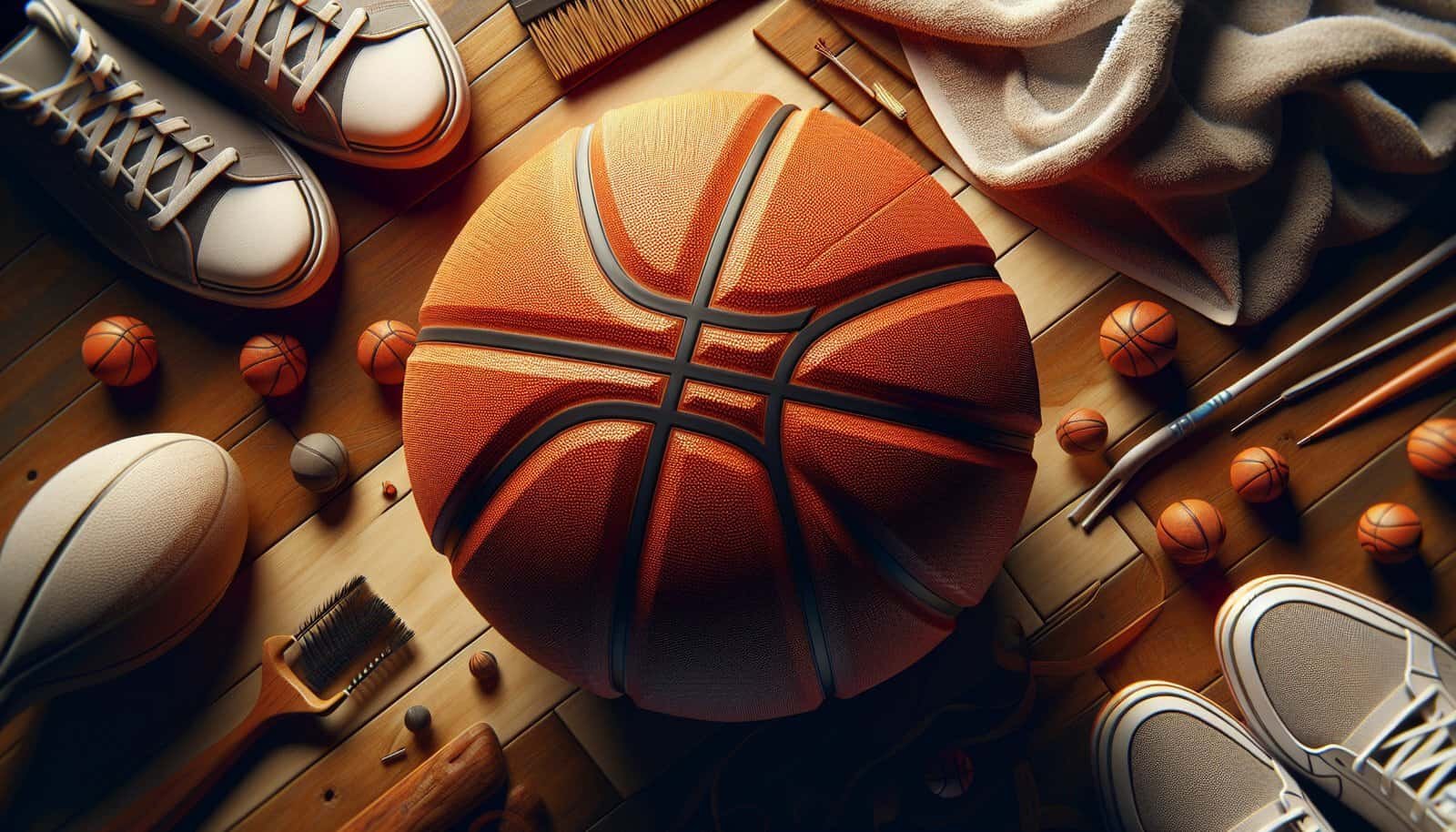
Your Role in the Break-In Process
Understanding your role in this process is vital. By engaging with the ball regularly and integrating diverse drills into your routine, you not only achieve a softened basketball but also elevate your gameplay altogether. Consistent practice with your quickly-evolving basketball empowers you with minute variations in grip and bounce, steering you towards a more fulfilling basketball journey.
You’ll soon find the nuances of your skills reflected in the life of your basketball. Being diligent in care results in an enduring and reliable partner on the court, ready for every spontaneous game or well-planned tournament.
Embrace your new basketball with understanding, care, and attention to detail, and elevate every dribble, pass, and shoot into an enjoyable experience with your newly trusted companion.